E9 Oled Honest Review — Is the Hype Justified?
Introduction: Why I Bought the E9 and What I Tested
I've been using the E9 Oled as my main TV for about five months now, and I decided to write an honest review because this model generated a lot of buzz when it came out. I bought it to replace an aging LED set and to upgrade my movie nights and console gaming sessions. Over those months I watched a mix of streaming HDR movies, sports, and played next-gen games at high refresh rates. What I found was a TV that delivers many of the things people praise OLEDs for, but also reveals a few trade-offs that the marketing glosses over.
What the E9 Oled Is (In My Experience)
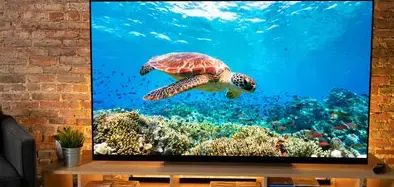
The E9 Oled is a thin-panel OLED TV with an emphasis on picture quality and a sleek, minimal design. Out of the box it looks premium: the panel is slim, the bezels are narrow, and it sits elegantly on its stand. In my living room it instantly felt like a step up in aesthetics compared with the older LED I replaced. The model I bought is a commonly available mid-to-upper range OLED in its line — not the absolute flagship but clearly designed to compete on contrast, color, and motion performance.
Setup & First Impressions
Setup was straightforward. I mounted it on a low-profile stand and positioned it at my usual viewing height. The TV arrived with the usual protective packaging and a fairly standard remote; nothing revolutionary, but comfortable in the hand. Initial out-of-box picture mode tended to oversaturate colors and punch up contrast (as most manufacturers do), so I switched to a calibrated or "cinema" mode after a few hours. After that adjustment I noticed the image become more natural and less eye-fatiguing for long viewing sessions.
One thing I appreciated immediately was how black scenes simply disappeared into true black. That deep black level is OLED’s signature strength, and E9 nails it. However, I also noticed the screen’s peak brightness in HDR scenes wasn't as intense as the very top-tier OLEDs I've compared it to in stores — more on that below.
Picture Quality — Deep Dive
In my experience the E9 delivers outstanding contrast and color depth for most content. Here are the things I assessed over months of daily use:
- Blacks and contrast: The blacks are impressively deep. In dim rooms the perceived contrast is excellent and cinematic. Night scenes in movies like dramatic thrillers looked particularly immersive because shadow detail stayed intact without being washed out by a backlight.
- Color accuracy: After switching to the Cinema picture mode and lowering the color temperature slightly, skin tones, foliage, and movie color grading felt true-to-source. I did a one-time calibration using a calibration preset and the results were noticeably better for natural content.
- HDR performance: HDR highlights pop, but not with the same blinding peak brightness you get from a boutique flagship TV. For most HDR content (movies and most streaming originals) highlights are satisfying: specular highlights, reflections, and fireworks look convincing. In very bright highlight-heavy demo content the E9 doesn’t reach the same peak luminance as the very best OLEDs or the brightest LED LCDs, so if you watch HDR in a very bright room you’ll notice less "wow" from bright highlights.
- Uniformity and banding: Over five months I noticed very minor uniformity variance on extremely dark test patterns — nothing that bothered me during normal viewing, but if you watch a pure-black test pattern at close range you might spot faint shifts. I did see one or two scenes where slight banding appeared in very subtle gradients, but this was rare.
- Motion handling: Motion felt smooth in both sports and gaming. The TV’s motion interpolation options can be dialed up or down; I preferred a light touch to avoid soap-opera effects. For fast-paced gaming, motion clarity was consistently good.
Real-world examples I noticed
I streamed a handful of modern films and noticed that candle-lit scenes in dramas were gorgeous — the flame and surrounding shadows had a depth I hadn’t had in my living room before. On the other hand, during a sunny landscape documentary shot with intense midday sun, the sun’s sheen and lens flares didn’t feel as explosive as I’d seen on some demo-room flagships. It wasn’t a deal-breaker, but it did temper my expectations when reviewers called this kind of OLED "stunning" in all scenarios.
Sound, Build Quality & Design Notes
The E9’s build is very attractive. The panel’s thinness gives it a modern look and the stand is sturdy. The remote is ergonomic and the button layout made sense for everyday use. Weight-wise the TV is lighter than my old LED, which made setup easier.
Speakers are adequate for casual viewing and dialogue is clear enough for everyday TV shows. However, if you’re a movie buff (like I am) who wants convincing bass and room-filling sound, you’ll want a soundbar or a full surround setup. At higher volume levels the TV’s internal speakers strained slightly, and I noticed a bit of thinness in the lower midrange. I paired the E9 with a compact soundbar, which fixed the one area where the TV was underwhelming.
Looking for the best TVs & Home Theater deals on Amazon?
View Offers →Smart TV Experience
The smart platform on the E9 is functional but not perfect. Apps I use daily (major streaming services and a few niche apps) were available and generally worked well. The OS is responsive most of the time, though I experienced an occasional hang while switching apps — a quick reboot fixed it. One thing I wish the manufacturer would improve is the app navigation speed and the frequency of updates; on a couple of occasions the TV didn’t receive a new feature that I saw announced for other brands.
Gaming Performance
I used the E9 with a current-generation console and a gaming PC. In my experience its low input lag and support for higher refresh rates made it an excellent gaming panel. Game mode reduced input lag to a level where I could feel the responsiveness improvement, especially in racing and action games. Variable refresh features (VRR) worked as expected with my console and GPU.
One subtle issue I noticed: when playing long sessions with static HUD elements (think minimaps or health bars), I was careful to vary content and use pixel-shift features to reduce the risk of burn-in. The TV includes several automatic pixel refresh and screen-shift features; I found them unobtrusive and helpful, but not a replacement for cautious usage patterns if you play many hours with static overlays.
Everyday Use & Reliability
After months of daily use, the E9 has been reliable. I did not encounter catastrophic software failures or hardware defects. That said, there are a few practical observations that a real owner would notice:
- I noticed that the screen looks best in controlled lighting. In a bright sunlit room the picture loses some of the punch that makes OLEDs special.
- The TV occasionally runs a pixel-refresh cycle during standby; it’s quiet and unobtrusive, but you’ll notice it if you watch the TV right after it has been idle all day.
- There is a small learning curve to reach the best picture settings — out-of-box presets are oversaturated to impress shoppers, not to accurately represent the content.
Comparison Table — E9 Oled vs. Typical Flagship OLED vs. Common LED
| Feature | E9 Oled (my unit) | Typical Flagship OLED | Common LED/LCD |
|---|---|---|---|
| Black levels & Contrast | Excellent — true blacks, great shadow detail | Excellent — slightly deeper peak performance in some models | Good — blacks never as deep as OLED |
| HDR Peak Brightness | Good for most rooms, not record-breaking | Higher peak brightness on best units | Highest brightness, but with blooming |
| Color Accuracy | Very good after calibration | Top-tier accuracy out of the box on some | Variable; often less nuanced |
| Gaming | Low input lag, VRR support — great | Optimized for gamers with extra features | Good, but often higher input lag |
| Speakers | Adequate for dialogue; add a soundbar for movies | Some flagships include advanced audio systems | Varies; many need soundbar too |
| Value | Strong — premium picture without flagship price | Best picture, highest price | Best price for brightness but less contrast |
Pros & Cons
Pros
- Deep, cinematic blacks that dramatically improve dark-scene viewing — I was genuinely impressed.
- Very good color reproduction after a modest calibration — skin tones and natural scenes looked accurate to me.
- Excellent gaming performance with low input lag and high refresh support — I enjoyed competitive matches more than before.
- Sleek, modern design that blends nicely into my living room setup.
- Smart platform covers the major streaming apps I use daily.
Cons
- Peak HDR brightness is good but not class-leading — in very bright rooms HDR highlights don’t pop as much as on the very best displays.
- Built-in speakers are serviceable but thin on bass — I quickly paired a soundbar for movies.
- Occasional minor uniformity and rare banding on extreme test patterns — not visible during normal viewing most of the time, but present if you look for it.
- Out-of-box picture presets require adjustment to avoid oversaturated colors.
- Smart UI has small sluggish moments and intermittent app quirks.
Buying Guide: Should You Buy the E9 Oled?
If you’re deciding whether the E9 is right for you, here are the practical considerations I used when buying and the things I’d recommend evaluating before you purchase.
1. Room Lighting and Viewing Habits
If you watch mostly in the evening or in a dimly lit room, an OLED like the E9 is fantastic — the blacks and contrast create a very cinematic experience. If your room is flooded with natural light for most of the day, consider whether an LED with higher peak brightness might better suit your environment.
2. Content Type
For movies, drama, and single-player gaming, the E9’s picture quality is a big upgrade. If you watch a lot of sports or daytime TV in bright rooms, you’ll still get a very nice picture but you might miss the hard-hitting brightness of some LED LCDs.
3. Gaming Needs
I would recommend the E9 for gamers who want low latency and high refresh rates. It handled fast action smoothly in my sessions. If you play long sessions with static HUDs, plan to use built-in pixel-shift features and don’t leave static elements on the screen for days on end.
Discover deals on TVs & Home Theater — updated daily.
Browse Now →4. Audio Considerations
Plan on a soundbar if you want theatrical audio. The TV speakers are fine for dialogue and casual viewing, but they lack the depth I want for movies.
5. Calibration and Settings
Be prepared to tweak picture settings. Start with a Cinema or Movie preset, reduce the color temperature if it looks too cool, and disable aggressive noise reduction for modern streaming content. If you own a calibration tool or can afford a one-time professional calibration, the difference is worth it.
6. Warranty and Burn-in Risk
Understand the manufacturer's warranty and the policies around image retention and burn-in. I used the TV for months without any permanent image retention, but I still follow best practices (vary content, use screen savers, and occasionally run pixel refresh cycles).
Quick setup tips I used
- Start in Cinema/Movie mode and reduce brightness/OLED light slightly for evening viewing.
- Turn off excessive motion smoothing for films; enable a mild setting for sports if you prefer smoother motion.
- Use an external soundbar for a better audio experience.
- Enable any manufacturer-provided pixel protection features if you use static overlays regularly.
Final Verdict — Is the Hype Justified?
After five months with the E9 Oled, my conclusion is balanced: much of the hype is deserved, but context matters. The TV delivers the core OLED strengths — deep blacks, excellent contrast, and rich color — which genuinely improve cinematic viewing and gaming. For someone upgrading from an LED, the step up in picture quality is dramatic and often life-changing for movie nights.
That said, the E9 isn't a miracle machine that bests every other panel in every metric. Peak HDR brightness is very good for typical content but doesn't compete with the brightest flagships in extreme highlight scenes, and built-in audio isn't a replacement for a proper sound system. The smart platform is solid but not flawless.
In my experience, if you value cinematic contrast, color fidelity, and responsive gaming, the E9 is a sensible buy and the hype is largely justified. If you need the very brightest HDR available or rely on integrated speakers for a home theater, you should factor those compromises in. Personally, pairing the E9 with a modest soundbar and spending a few minutes on picture settings gave me a viewing experience I still look forward to — and that's the honest reason I'm happy I bought it.