Why Everyone is Buying the Kiwibit Beako Smart Bird Feeder (Full Review)
When I first bought the Kiwibit Beako Smart Bird Feeder, I honestly thought it would be one of those fun-but-short-lived gadgets that gets a lot of attention for a few weeks and then quietly ends up ignored in the backyard. I’ve bought enough outdoor tech to know that not everything lives up to the hype. But after using this feeder for several months through changing weather, constant squirrel interference, uneven Wi-Fi, and a surprising number of daily bird visits, I can see why so many people are suddenly interested in it.
As someone who enjoys both backyard birdwatching and camera gear, I was especially curious about whether this product actually delivered on the two things that matter most: reliably attracting birds and capturing footage that’s good enough to make the experience worth it. After extended use, I found that the Kiwibit Beako does a lot better than I expected in some areas, but it also has a few frustrations that become obvious only after living with it for a while.
In this review, I’m sharing what my experience has really been like: setup, camera performance, app behavior, battery life, bird activity, practical usability, and the small annoyances that don’t always show up in polished product descriptions. If you’re considering a smart bird feeder and want an honest owner’s perspective, this is what I found after actually using the Kiwibit Beako over time.
My First Impressions After Unboxing
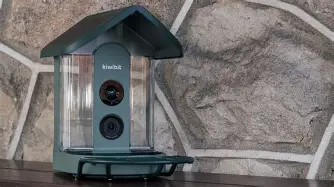
The first thing I noticed was that the Kiwibit Beako looked better in person than I expected. A lot of smart bird feeders tend to lean too hard into “gadget” styling, but this one struck me as reasonably modern without looking completely out of place outdoors. It had that balance I like in camera-related outdoor gear: functional design, but not ugly.
I was also paying close attention to build quality. In my experience, that’s often where these niche smart devices reveal whether they were built for real use or just for marketing photos. The plastic housing felt solid enough, and the feeder components didn’t seem flimsy. The lid, perch area, and seed compartment all gave me a decent first impression. I was surprised by how straightforward the physical assembly was. I didn’t spend half an afternoon trying to decode confusing instructions, which is more than I can say for a lot of smart home products.
That said, I immediately wondered how well the materials would hold up over months outdoors. New products almost always feel more premium on day one than they do after a season of sun, rain, and dust. After several months, I’d say it has held up fairly well overall, though a few parts now show the kind of wear I expected from continuous outdoor exposure. Nothing has broken on mine, but it definitely looks more “used” now than when I first put it up.
Setup and Installation: Easier Than I Expected, but Not Perfect
One reason I think this feeder has gotten popular is that it doesn’t make people work too hard to get started. I’ve been using this for several months now, and I still remember how relieved I was that the setup process was mostly painless. Mounting it was manageable, the app pairing worked after some trial and error, and I had birds visiting faster than I expected once I found the right placement.
The biggest lesson I learned is that placement matters more than the feeder itself. At first, I installed it in a spot that seemed visually ideal from my patio, but the camera was fighting harsh afternoon backlight and the birds were more hesitant there. After moving it to a calmer, slightly shaded area near shrubs, the footage improved and bird traffic noticeably increased. What I found was that the Kiwibit Beako performs best when you treat it like a wildlife camera setup, not just a decorative feeder.
As for connectivity, the initial connection process was mostly fine, but not completely seamless. I noticed that smart feeders like this still depend heavily on your home network conditions. If your outdoor Wi-Fi coverage is weak, you may think the feeder is the problem when it’s really your signal. Once I placed it within a stronger coverage area, notifications and live view became more reliable. One thing that bothered me early on was that app-based setup still felt slightly more finicky than it should for a product that is clearly aimed at mainstream buyers, not just tech people.
Camera Quality: The Main Reason This Feeder Stands Out
Since this is in the Cameras category, the camera side deserves the most scrutiny. This is where I think the Kiwibit Beako earns most of its attention. I bought it because I didn’t just want to feed birds; I wanted to actually see them well, identify them more easily, and capture moments I’d normally miss from inside the house.
In daylight, the image quality has been genuinely enjoyable. I’m not going to pretend it replaces a serious wildlife photography setup, but that’s not the point. For a feeder-mounted smart camera, I found the footage surprisingly clear when lighting conditions were decent. Feather detail, color differentiation, and facial markings were good enough that I could distinguish similar-looking visitors more confidently than I could with the naked eye from indoors.
I was especially pleased with close-up detail. When smaller birds landed squarely in front of the camera, I could see tiny movements and textures that I would never notice otherwise. That changed the whole experience for me. Instead of passively filling a feeder and occasionally glancing outside, I started reviewing clips more like miniature wildlife observations.
Motion capture was fairly responsive in my experience, though not flawless. There were plenty of moments when it caught birds arriving and perching exactly as I hoped. But I also noticed occasional missed beginnings of visits, especially if a bird came in quickly or approached from an odd angle. That’s not unusual for smart outdoor cameras, but it’s still worth knowing. If you expect every single landing to be perfectly recorded from the first wingbeat, you may be disappointed.
Night and low-light performance was more mixed. I wasn’t expecting miracles, and I didn’t get them. The camera was usable enough to detect activity and understand what was happening, but nighttime footage was obviously less impressive than daytime footage. I found the feeder most rewarding during morning and late afternoon visits, when the lighting was natural but still bright enough for sharper detail.
Find top-rated Cameras & Photography products at great prices.
View Offers →What Daily Use Was Actually Like
After testing for several months, I think the biggest strength of the Kiwibit Beako is that it encouraged me to engage with birdwatching more often. I didn’t expect to check the app as much as I did. Once bird traffic picked up, it became part of my routine to look through clips, see which species had shown up, and refill the seed before activity dropped off.
The feeder itself was easy enough to refill, and I appreciated not having to wrestle with an overly complicated design. That sounds minor, but it matters. If refilling becomes annoying, you stop enjoying the product. I noticed that seed access and capacity were practical enough for regular backyard use, though your refill frequency will obviously depend on how active your local birds are. In my yard, during peak activity, it emptied faster than I originally expected.
One thing that surprised me was how much environmental maintenance affected the experience. Dust, pollen, seed fragments, rain spots, and bird mess all accumulate. That means the camera lens area and feeding surfaces need occasional cleaning if you want the footage to stay nice. This wasn’t a dealbreaker for me, but it’s one of those owner realities that glossy product pages tend to gloss over. A smart bird feeder is still a bird feeder, and bird feeders get dirty.
I also found that bird behavior changed depending on seed type and feeder stability. Once I used a seed blend my local birds clearly preferred, activity increased dramatically. The perch design seemed acceptable to most common visitors in my yard, though some birds adapted more comfortably than others. If you’re new to bird feeding, this is important: the feeder can only do so much if the food and placement aren’t right.
The App Experience: Convenient, but Sometimes Inconsistent
The app is a major part of whether a smart feeder feels genuinely smart or just mildly electronic. In my experience, the app for the Kiwibit Beako was useful enough to justify the product, but not polished enough that I’d call it flawless.
When it worked well, it was genuinely fun. I could check live video, review captured clips, and quickly see whether there had been activity while I was busy. I liked the convenience of getting notified when birds showed up, especially during times of day when I wasn’t near a window. That’s probably the single feature that turns this from a normal feeder into something more engaging for everyday use.
Still, I did run into occasional inconsistency. Notifications were not always as perfectly timed as I wanted. Sometimes I’d get them promptly; other times there was a lag. I also noticed that app reliability could feel tied to both Wi-Fi conditions and whatever background processes were happening on my phone. That’s not unique to this product, but it’s part of the honest experience.
If you’re expecting the smoothness of a premium flagship home security ecosystem, this may feel a little rough around the edges. If your expectations are closer to “useful smart backyard device with a decent companion app,” it will probably feel much more satisfying.
Pros and Cons After Several Months
What I Really Liked
- Enjoyable camera close-ups: I was genuinely impressed by how much feather detail and bird behavior I could see during good daylight conditions.
- More engaging than a standard feeder: I checked on bird activity far more often because the camera and app made the experience interactive.
- Reasonably simple setup: I didn’t need a complicated installation process, and physical assembly was straightforward.
- Attractive design: In my yard, it looked modern without being overly bulky or tacky.
- Useful notifications: When the alerts were timely, they made it easy to catch visits I would have otherwise missed.
- Good conversation starter: Friends and family were much more interested in birdwatching once I showed them actual clips from the feeder.
What Disappointed Me
- App inconsistency: I noticed occasional lag and uneven reliability with alerts and live access.
- Dependent on strong Wi-Fi: If your outdoor signal is weak, your experience may suffer more than you expect.
- Needs routine cleaning: Lens smudges, seed dust, and outdoor grime affect both appearance and video quality over time.
- Not every motion event is captured perfectly: Some quick arrivals or awkward approach angles weren’t recorded as cleanly as I wanted.
- Low-light results are only average: Daytime footage is where this feeder shines most.
- Ongoing upkeep is real: Between refilling, cleaning, checking battery or power status, and adjusting placement, this isn’t a zero-maintenance gadget.
Kiwibit Beako Smart Bird Feeder at a Glance
| Category | My Experience | Who It Matters Most For |
|---|---|---|
| Camera Quality | Very enjoyable in daylight with solid close-up detail | Birdwatchers who care about identification and viewing clarity |
| Ease of Setup | Mostly easy, though app pairing and Wi-Fi can require patience | Beginners and casual users |
| App Functionality | Useful but occasionally inconsistent | Anyone expecting real-time alerts and remote viewing |
| Outdoor Durability | Held up reasonably well over several months | Users planning year-round placement |
| Maintenance | Moderate; requires cleaning and regular refills | Buyers who want a realistic ownership picture |
| Overall Enjoyment | Higher than I expected once birds started visiting consistently | Anyone who wants birdwatching to feel more interactive |
Who I Think This Smart Bird Feeder Is Best For
After living with it for a while, I think the Kiwibit Beako makes the most sense for a specific kind of buyer. If you simply want the cheapest way to put seed outside, this is obviously more product than you need. But if you’re the kind of person who likes backyard wildlife, enjoys camera-based gadgets, and wants to turn casual bird feeding into something more immersive, it makes a lot more sense.
I’d especially recommend it to people who:
- Enjoy birdwatching but don’t want to invest in full wildlife camera gear
- Want to identify birds more easily from close-up footage
- Like getting alerts and checking clips from their phone
- Have a yard, patio, or garden with reasonably stable Wi-Fi coverage
- Don’t mind occasional cleaning and maintenance
On the other hand, I’d be more cautious recommending it to someone who hates app-dependent devices, has unreliable outdoor internet coverage, or expects professional-grade video performance in all lighting conditions. In my experience, satisfaction with this feeder depends heavily on whether your expectations match what this category of product can realistically do.
Buying Guide: What to Consider Before You Get One
If you’re thinking about buying the Kiwibit Beako Smart Bird Feeder, here are the things I wish more people considered before purchasing.
1. Check Your Outdoor Wi-Fi First
This is the biggest one. I can’t stress it enough. What I found was that the feeder itself was only part of the equation. If your signal is weak where you plan to install it, live view, alerts, and clip access may feel unreliable. Before buying any smart feeder, make sure the installation area actually gets a stable connection.
Shop the latest Cameras & Photography picks on Amazon.
Browse Now →2. Think About Lighting Conditions
I was surprised by how much lighting affected the quality of my footage. If the camera faces harsh sunlight at the wrong time of day, you may get worse results than expected. A spot with bright but indirect light worked best for me. Shade nearby also seemed to make birds feel safer, which increased visits.
3. Be Honest About Maintenance
Smart or not, a feeder still needs care. Seed has to be refilled. Surfaces have to be cleaned. The camera lens has to be checked. I noticed that when I stayed on top of maintenance, the experience stayed fun. When I neglected it for a bit, the footage and overall usefulness dropped noticeably.
4. Choose the Right Seed
This sounds obvious, but it made a bigger difference than I expected. Once I switched to a blend that local birds clearly preferred, activity improved fast. If your feeder isn’t attracting much traffic, the issue may not be the device at all.
5. Set Expectations Around the Camera
The camera is the main selling point, and in daylight I genuinely enjoyed it. But in my experience, this is best approached as a smart backyard observation tool, not a substitute for dedicated wildlife photography equipment. If you keep that expectation in mind, it’s much easier to appreciate what it does well.
Why I Think So Many People Are Buying It
After several months with the Kiwibit Beako, I understand its popularity. It taps into a very specific overlap that a lot of people didn’t realize they wanted: birdwatching, home tech, casual photography, and everyday entertainment. It gives people a way to interact with nature without needing advanced equipment or a lot of free time.
I think another reason it’s catching on is that it creates little moments of surprise. I noticed that I became more aware of bird routines, seasonal changes, and even individual behavior patterns once I had a camera pointed directly at the feeder. That made the backyard feel more active and interesting in a way a standard feeder never really did for me.
At the same time, I don’t think the enthusiasm is only hype. Yes, it’s a trendy category, but the product does deliver a genuinely different experience from a normal feeder. The convenience of getting footage and alerts makes birdwatching more accessible for people who don’t have the time or patience to sit outside waiting.
Final Verdict After Months of Use
After using the Kiwibit Beako Smart Bird Feeder for several months, I can say this: it’s one of those products that works best when you understand both its charm and its limits. I’ve been using this for long enough to see past the novelty, and I still think it’s a worthwhile device for the right person.
What I appreciated most was how it transformed a simple backyard feeder into something more interactive and camera-driven. I got closer views of birds, learned more about what was visiting my yard, and ended up paying attention to nature more often than I normally would. That alone made it more valuable to me than a standard feeder.
What disappointed me was the occasional app inconsistency, the dependence on solid Wi-Fi, and the reality that outdoor devices always need more upkeep than people expect. One thing that bothered me was that some of the smart features felt just a little less polished than the overall concept deserved. But none of those issues were enough to make me regret buying it.
In my experience, the reason everyone seems to be buying the Kiwibit Beako is simple: it makes birdwatching feel immediate, personal, and surprisingly addictive. It isn’t perfect, but after months of real use, I think it earns its popularity more than most trendy outdoor gadgets do.