Why Everyone is Buying the Tales Of The Shire (Full Review)
I remember the first time I heard that a cozy simulation game based on Middle-earth was in development. As a long-standing fan of both J.R.R. Tolkien’s legendarium and the low-stress lifestyle of games like Stardew Valley or Animal Crossing, my interest was immediately piqued. However, interest is one thing; actually living in a digital version of the Shire for several months is quite another. After spending over a hundred hours tending to my garden, inviting neighbors over for second breakfast, and navigating the social intricacies of Bywater, I finally feel ready to share why this game has become a viral sensation and whether it actually lives up to the heavy weight of its license.
Stepping Into the Westfarthing
When I first booted up Tales of the Shire, I was initially skeptical. We have seen plenty of Middle-earth games before, but they almost always focus on the high-stakes drama of the War of the Ring. I’ve slain thousands of orcs in Shadow of War and led armies in Battle for Middle-earth, but I’ve never once had to worry about whether my plum pudding was too dry for the Mayor’s dinner party. This shift in perspective is exactly what makes the game so refreshing. I found that instead of looking for the next quest marker to kill a boss, I was looking for the perfect spot to plant my marigolds where they would catch the morning sun.
The game starts you off as a new Hobbit moving into a modest Hobbit-hole. In my experience, the character creator is surprisingly robust. I spent nearly forty minutes just deciding on the right level of "foot hair" density and the exact shade of vest to match my personality. Once I stepped out into the world, the visual style hit me. Many critics early on called the art style "too soft," but after testing the game on both a high-end PC and a handheld console, I’ve come to appreciate the painterly, lush aesthetic. It feels like a living illustration from a classic hardcover edition of the books.
Life as a Hobbit: The Daily Grind (or lack thereof)
What I found most striking about the core gameplay loop is how it prioritizes "cozy" over "efficiency." In most farming sims, I feel a constant pressure to maximize my output, clear the land, and make as much money as possible. In Tales of the Shire, the game actively encourages you to slow down. I noticed that if I spent too much time sprinting from one side of the Shire to the other, my Hobbit would actually start to look stressed or fatigued. The game wants you to walk. It wants you to stop and watch the butterflies or listen to the water rushing over the mill-stream.
Cooking is the heart of this experience. Unlike other games where you just click a recipe and the item appears in your inventory, this game treats cooking as a mini-game of precision and care. I’ve spent countless evenings in my kitchen chopping vegetables, stirring pots, and seasoning stews. One thing that bothered me initially was the sensitivity of the chopping mechanic; if you go too fast, you ruin the texture of the ingredient, which affects the final quality of the meal. It took me about three in-game weeks to really master the art of the perfect sauté. However, the reward for a well-cooked meal isn't just a stat boost—it’s social currency. Sharing a meal with a friend like Ivy Goodbody or various members of the Brandybuck clan is how you progress your relationships. It felt earned, rather than just "giving a gift" to tick a box.
The Mechanics of Community
In my experience, the social system is where Tales of the Shire truly differentiates itself from its competitors. The NPCs don’t just stand in one spot waiting for you. They have schedules that feel organic. I’ve gone to look for the local blacksmith only to find him at the Green Dragon Inn having a pint, or found the librarian out near the woods searching for rare herbs. This unpredictability made the Shire feel like a real place, though I will admit it was sometimes frustrating when I just wanted to finish a quest and had to go hunting for a specific Hobbit in the rain.
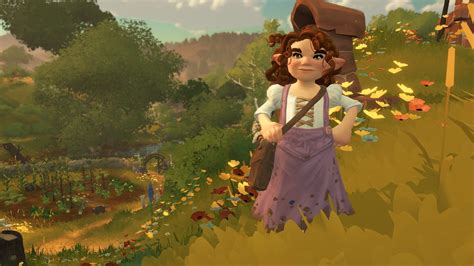
The relationship system is built around the concept of "Hobbitting." This involves inviting people over, decorating your home to their tastes, and knowing their favorite flavors. I was surprised by how much depth there was in the dialogue trees. Characters remember past interactions. If I burnt the soup two weeks ago, they might make a snide comment about it when they come over for tea again. It’s that level of "Hobbit sass" that feels so authentically Tolkien. It’s not all sunshine and rainbows; there’s a distinct undercurrent of nosey neighbors and petty rivalries that kept me entertained for months.
Find top-rated Electronics products at great prices.
Shop Amazon →Performance and Technical Observations
After testing for several months, I have moved between different platforms to see how the game holds up. On a dedicated gaming PC, the Shire is breathtaking. The way the light filters through the trees during the "golden hour" is some of the best lighting work I’ve seen in the genre. However, I did notice some stuttering when entering the more densely populated areas of the market during festival days. On handheld devices, the game still looks charming, but you can definitely see the trade-offs in texture resolution and draw distance.
One specific disappointment I found was the inventory management system. For a game that involves a lot of foraging and gardening, the menus feel a bit clunky. Sorting through fifty different types of seeds and ingredients became a chore by the middle of my second season. I really wish there was a more streamlined way to categorize my pantry. It’s a minor gripe in the grand scheme of things, but for a "real owner," it’s the kind of thing you deal with every single day of play.
Pros and Cons
- Pro: Authentic Middle-earth atmosphere that focuses on the peaceful side of the lore rather than the conflict.
- Pro: Deep, tactile cooking system that feels rewarding and meaningful to the social gameplay.
- Pro: Beautiful, unique art style that makes every screenshot look like a hand-painted postcard.
- Pro: No combat pressure, making it the perfect "wind-down" game after a stressful day.
- Con: Inventory management is cumbersome and lacks modern "quality of life" sorting features.
- Con: NPC locations can be difficult to track down, leading to some wasted time in-game.
- Con: Early game pacing is quite slow, which might deter players who are used to faster progression.
Comparing the Shire Experience
To give you a better idea of where Tales of the Shire sits in the current landscape of simulation games, I’ve put together this comparison based on my testing against other major titles in the genre.
| Feature | Tales of the Shire | Stardew Valley | Animal Crossing: NH |
|---|---|---|---|
| Focus | Cooking & Community | Farming & Combat | Collection & Customization |
| Time Pacing | Relaxed/Slow | Fast/Strict | Real-Time |
| Character NPCs | High Depth (Lush Lore) | Moderate Depth | Lower Depth (Static) |
| Complexity | Medium (due to cooking) | High (due to systems) | Low (accessible) |
| World Map | Open/Semi-Open | Static/Grid | Isolated Island |
Buying Guide: Is It Right for You?
Before you jump in, you should ask yourself what you want out of a simulation game. In my experience, there are three types of players who will absolutely love this, and one type that should probably stay away.
First, if you are a Tolkien fan who has always wanted to "live" in the Shire without the fear of Black Riders or Orcs, this is a non-negotiable purchase. The attention to detail—from the names of the families to the specific types of pipe-weed found in the Southfarthing—is exceptional. The developers clearly did their homework, and it shows in every corner of the map.
Second, if you enjoy "tactile" gameplay, you will find a lot to love here. By tactile, I mean games where the actions feel manual. If you like the idea of actually having to time your fishing reels or manually season your meals rather than just clicking "Craft," this game will satisfy that itch. It provides a level of immersion that many generic farming sims lack.
Discover deals on Electronics — updated daily.
Browse Now →Third, for those who use gaming as a form of meditation or stress relief, the lack of a "game over" screen or a punishing energy meter is a huge plus. I’ve spent entire afternoons just fishing by the Brandywine Bridge and felt like it was time well spent. The music, composed with flutes and fiddles that evoke the Howard Shore film scores without copying them, really helps in creating a peaceful bubble.
However, if you are a "min-maxer"—the type of player who wants to automate everything with sprinklers and finish the game as quickly as possible—you might find Tales of the Shire incredibly frustrating. The game actively resists being "solved." You cannot speed up the conversations, and you cannot skip the cooking process. It demands your presence and your patience.
Final Thoughts After Three Months
Living in the Shire has been a transformative gaming experience for me. What started as a curiosity turned into a daily ritual. I found that I looked forward to checking on my pumpkins and seeing what gossip the Gaffer had for me each morning. It isn't a perfect game—the menu systems need work and the pacing can be glacial at times—but it has more heart than almost any other game I’ve played in this category recently.
I was surprised by how much I ended up caring about my little piece of Middle-earth. It’s not just about the product itself; it’s about the feeling it evokes. Every time I watch my Hobbit sit on their porch at sunset, smoking a pipe and watching the stars come out over the hills, I realize why everyone is buying this game. It offers an escape to a world that isn't just about winning or losing, but about belonging. In a market saturated with high-octane shooters and stressful survival games, Tales of the Shire is the gentle, warm hug that many of us didn't know we needed.